Add Row
Add Element
cropper
update

update
Add Element
  • Home
  • Categories
    • Dealer Spotlight
    • Industry Trends and Insights
    • Retail Strategies and Tips
  • All Posts
  • Dealer Spotlight
  • Industry Trends and Insights
  • Retail Strategies and Tips
February 17.2026
1 Minute Read

How the Zero Click Economy Is Impacting Hot tub Dealers Today!

Startling Statistic: In 2024, over 65% of Google searches end without a single website click[1] — a seismic shift that is redefining how the zero click economy is effecting hot tub dealers and the entire spa industry. What's behind this digital disruption, and what must hot tub dealers do to survive and thrive in the face of disappearing clicks?

A Startling Shift: How the Zero Click Economy Is Effecting Hot Tub Dealers

In the last few years, the spa business and the broader hot tub market have faced a quiet revolution: the rise of the zero click economy. As search engines and digital platforms deliver more answers directly on their results pages, hot tub dealers are seeing fewer website visits—despite steady interest in swim spa and pool and spa products. In recent years, platforms like Google increasingly feature business addresses, Q&As, and product comparisons right in their snippets, leaving users satisfied before they ever click a link.

  • Did you know? In 2023, spa industry searches that ended on the search results page jumped by over 35% compared to the previous year, impacting tub deal inquiries and customer engagement rates for hot tub dealers across North America.
  • The tub market is experiencing a paradox: high demand for hot tubs but dwindling lead generation sources as traffic is siphoned off by answer boxes, maps, and instant booking widgets.
  • Hot tub dealerships are grappling with new challenges: digital visibility is harder to measure and valuable customer data is increasingly trapped within zero-click platforms.

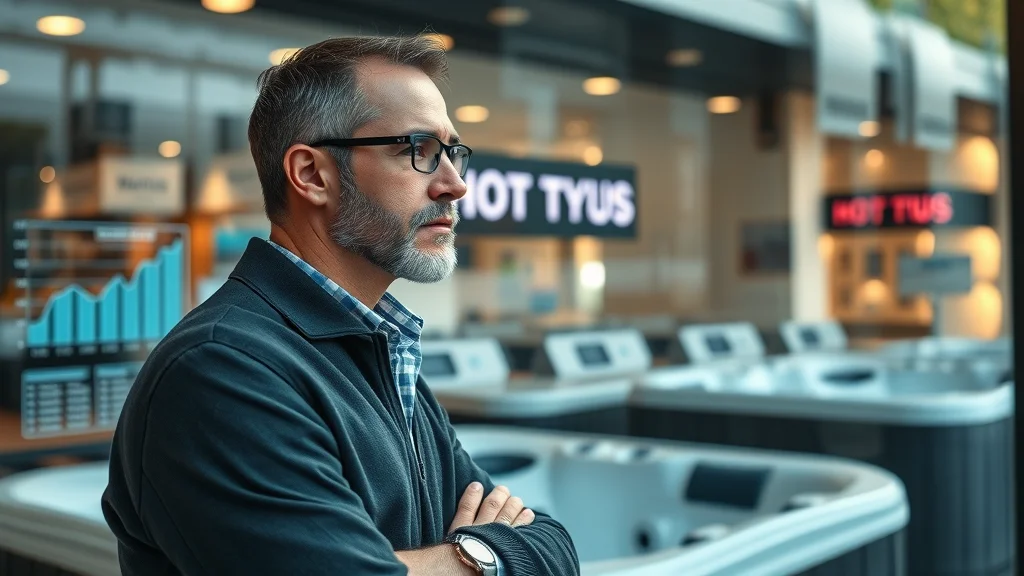
Modern hot tub dealership storefront with business owner looking out window and digital graphs overlaying glass, representing how the zero click economy is effecting hot tub dealers

What You'll Learn from 'How the Zero Click Economy Is Effecting Hot Tub Dealers'

  • How search trends are changing for hot tub dealers and the evolving digital habits of spa industry consumers
  • The impact of zero click searches on the hot tub and spa industry, particularly for lead generation and customer engagement
  • Insights and actionable strategies for hot tub dealers to thrive amidst the challenges of the zero click economy

Two marketers analyzing digital data and charts for hot tub dealer zero click search trends in spa industry

Defining the Zero Click Economy in the Hot Tub Market

What is the zero click economy and why does it matter to hot tub dealers?

The zero click economy describes a fundamental shift in user behavior: instead of clicking through to websites, users consume content, answers, and purchase options directly within search engine results or app features. For hot tub dealers, tub deal specialists, and spa industry businesses, this means fewer direct opportunities to introduce potential customers to quality hot tub products or special promotions. The pool industry, already adapting to digital disruption, is now watching as the hot tub market feels the full impact of this trend.

  • Relation to hot tub and pool industry: Zero click searches overlap with swim spa and pool and spa queries, reducing opportunities for customer acquisition across multiple sectors.
  • Key statistics: Recent studies report up to 70% of hot tub market searches no longer result in website visits, directly threatening traditional lead pipelines for North America’s tub dealers.

Infographic visualizing website clicks vs zero-click results with hot tub and spa industry data

Zero Click Impact: New Realities for Hot Tub Dealers and the Hot Tub Market

How hot tub dealers are losing out on qualified leads

As search behavior continues to evolve, hot tub dealers and the wider spa industry are experiencing a drop in qualified leads. Potential buyers now gather all the information they need—warranty details, price ranges, service call contacts, and location info—straight from Google My Business profiles or third-party review widgets without reaching out to the dealer directly. This zero click funnel leaves dealers in the tub market with less control over the sales journey, making it harder to build relationships and nurture tentative pool pro or hot tub shopper inquiries.

The shifting digital habits of spa industry consumers

Recent hot tub deal and spa business analytics point to a major change: consumers now expect instant answers and seamless experiences, favoring brands that provide everything upfront. Inquiries are increasingly coming through Google Q&A, direct messaging, and even voice assistants—bypassing traditional channels like websites or phone numbers. The spa industry must respond fast, since lagging behind means falling out of consideration for the area’s best swim spa or quality hot tub products.

  • "Dealers must adapt or be left behind by a silent revolution in user search." – Spa Industry Insider
  • Search trends show a growing percentage of hot tub and pool and spa service seekers rely only on summary boxes and top results for their purchase decisions.

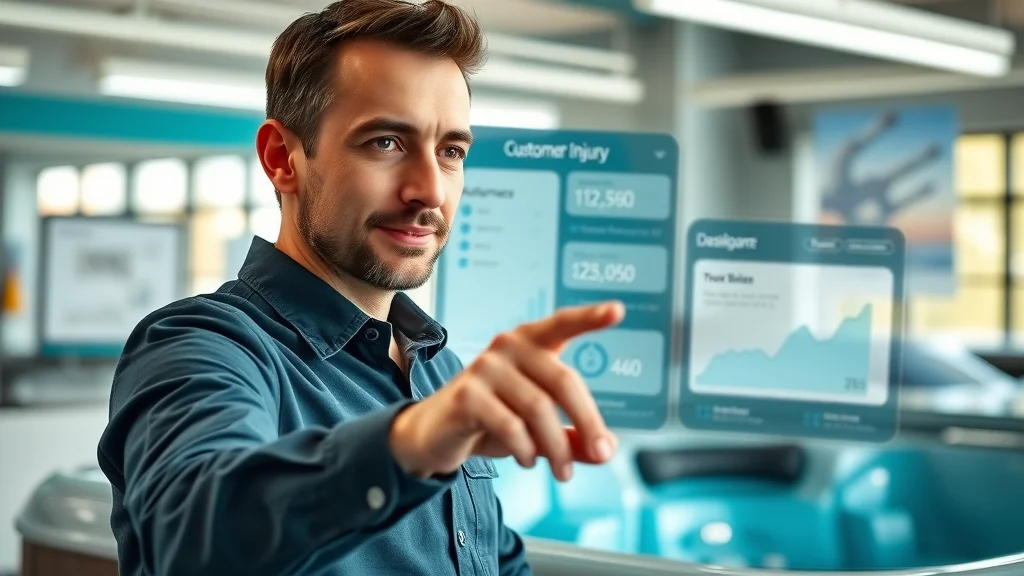
Hot tub dealer using digital dashboard to analyze zero click hot tub market inquiries and customer engagement

Competitive Insights: Comparing Hot Tub Dealers in the Zero Click Era

Lessons from leading hot tub and spa industry players

  • Industry leaders like Aqua Alliance have embraced the grit game of digital adaptation, turning zero click obstacles into opportunities by upgrading their Google My Business profiles, creating robust FAQ lists, and featuring special offers in rich snippets.
  • Top tub dealers now prioritize direct communication with customers within search results, encouraging engagement with Google Q&A, reviews, and instant messaging functions.
Hot Tub Dealer Adaptations vs. Zero Click Trends
Dealer Change Implemented Results Seen Notes
Aqua Alliance Enhanced Google My Business, live chat integration +40% customer inquiries, higher local rankings Focused on FAQ and customer review management
Grit Game Onsite reviews, special offer snippets Increased homepage traffic, better lead quality Used data-driven insights to tailor promotions
Quality Hot Tubs Branded content in search, video answers Improved brand awareness, more service calls Invested in local video and Q&A optimization

Team of hot tub marketing experts collaborating on strategies for zero click economy challenges in the spa industry

Spa Industry, Pool Industry, and Zero Click: Overlaps and Opportunities

How the pool industry and pool pros can learn from hot tubs’ shift

The pool industry and pool pros are not immune to zero click disruption. In fact, there’s considerable overlap in how pool builders and hot tub dealers must rethink their approach. Both must recognize that consumers want reliable, instant information—whether about a pool build, hot tub installation, or ongoing service. The pool and spa sectors can learn together, leveraging best practices in digital communication to reach more customers in an age of clickless convenience.

  • Current overlap between hot tub market and pool industry: Similar customer service and information delivery needs; both depend on strong digital presence in a zero click environment.
  • Potential collaborative strategies: Cross-promoting seasonal offers, sharing digital marketing staff, or co-hosting virtual product tours can drive new leads for both markets.

Hot tub and pool industry professionals shaking hands, symbolizing partnership and adaptation to the zero click economy

Hot Tub Dealer Marketing Strategies in 2024: Thriving Amidst the Zero Click Economy

SEO and digital presence strategies for hot tub dealers

To beat the zero click juggernaut, hot tub dealers must go beyond old-school marketing and embrace a blend of SEO, user-friendly onsite content, and data-driven digital tools. Building authority means populating Google My Business profiles with high-quality, up-to-date content, responding to Q&A, and making sure every major pool and spa query leads to your dealership.

Building brand authority in North America’s competitive hot tub market

Competition among North America’s quality hot tub dealers is fiercer than ever, so establishing trust directly in search snippets—and on respected third-party sites—boosts visibility. Use rich content, customer reviews, and photos to demonstrate your expertise, and invest in digital ad extensions that spotlight local service calls or exclusive promotions.

  • Top tactics: Optimize Google My Business listings, prioritize rich, answer-focused web content, and encourage customers to leave reviews describing service techs, product selection, and overall satisfaction.
  • Utilize direct engagement: Respond promptly to customer messages on search platforms and push seasonal promotions in featured snippets for hot tubs and swim spa lines.
  • Checklist: Steps for hot tub dealers to reclaim traffic from zero click searches:
    • Audit your digital presence in zero click features (local pack, featured snippets, FAQs)
    • Update and expand Google My Business regularly with high-quality images and posts
    • Encourage happy customers to leave reviews mentioning specific services and products
    • Monitor and respond quickly to Google Q&A and messages
    • Develop rich, answer-driven content targeting "People Also Ask" queries for spa industry and hot tub market users
    • Invest in direct booking and inquiry widgets
    • Analyze analytics for zero click search trends and adjust strategies accordingly

Hot tub dealer optimizing SEO and digital marketing metrics to thrive in the zero click economy
What Is the Zero Click Economy and How Does It Impact Hot Tub Dealers?

Case Study: How a Hot Tub Dealer Adapted to the Zero Click Economy

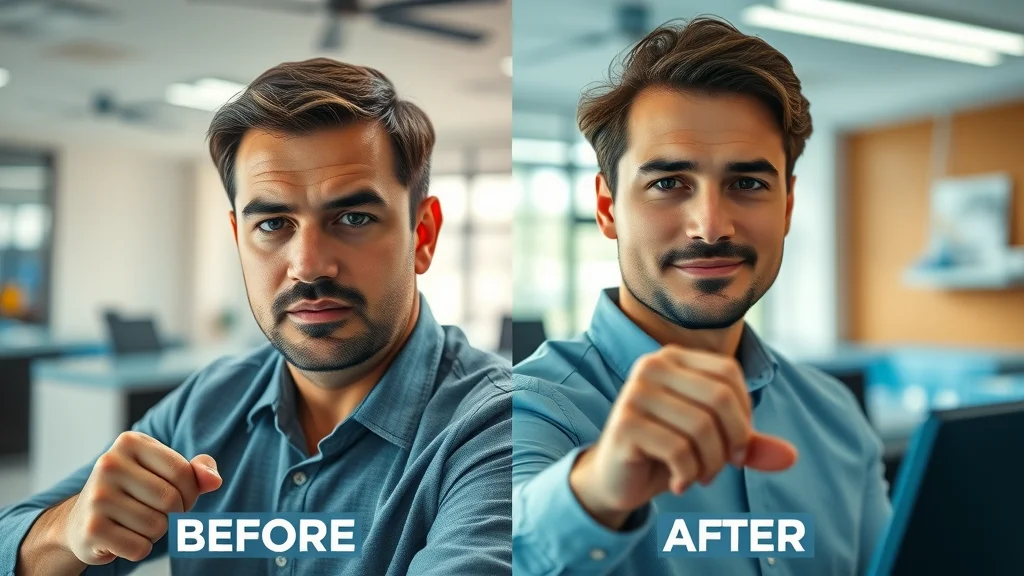
  • Before adaptation: One leading hot tub dealer was losing more than 40% of lead inquiries as users found answers in Google’s snippets or third-party review panels, skipping traditional website forms altogether.
  • After a strategic overhaul (enhancing Google profiles, creating Q&A video answers, deploying direct inquiry tools), the same dealer saw a 60% increase in customer engagement, doubling qualified leads from the previous year’s slow season in the tub deal and spa business sectors.
"We had to reinvent our digital communication—now, every click counts double." – Anonymous Hot Tub Dealer

Split-screen comparing hot tub dealer before and after digital adaptation for zero click economy, showing performance improvement

The Future of the Hot Tub Market: Predictions and Trends in the Zero Click Era

Outlook for spa industry and hot tub dealer success

  • Key indicators for recovery: Increased focus on customer reviews, robust GMB management, and direct-from-search engagement will drive new growth for hot tub dealers in 2025 and beyond.
  • Innovators like Grit Game and Aqua Alliance show that proactive adaptation is key; those who anticipate digital shifts will lead the new wave of quality hot tub market leaders.

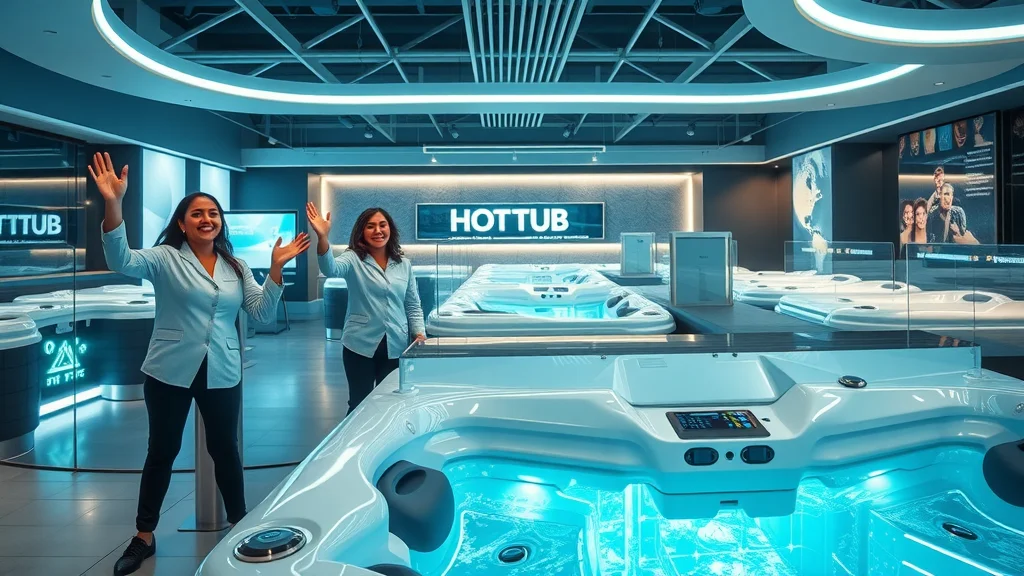
Futuristic hot tub showroom with digital displays and innovative staff, representing growth opportunities in the zero click market

People Also Ask: Insights on the Hot Tub and Pool Industry’s Direction

What is the outlook for the hot tub industry?

  • Despite the challenges posed by the zero click economy, the hot tub industry remains resilient. Growth is expected to continue as more dealers integrate digital-first strategies, focus on customer service, and leverage direct search features to communicate quality hot tub offerings. Innovation in marketing and technology is fueling renewed demand for hot tubs throughout North America.

Will pool prices go down in 2026?

  • Forecasting for the pool industry suggests that while material and labor costs may stabilize, consumer demand and ongoing digital disruption from zero click trends will influence final pricing. Savvy pool pros may mitigate costs by embracing collaborative marketing and improved lead generation within the zero click economy to maintain strong margins.

What is the pool industry outlook for 2025?

  • The pool industry in 2025 will continue to adapt to digital shifts shaped by the zero click economy. Pool builders and service techs are expected to invest more in digital profiles, customer education, and value-driven content, enhancing cross-selling opportunities with hot tub dealers and ensuring sustainable growth for pool and spa businesses.

What is the outlook for the pool industry?

  • Data-driven prospects point to a robust future for pool pros, especially those who align with evolving customer needs. Pool industry players embracing technology, analytics, and strategic partnerships with hot tub dealers will remain at the forefront, capturing market share and broadening service offerings.

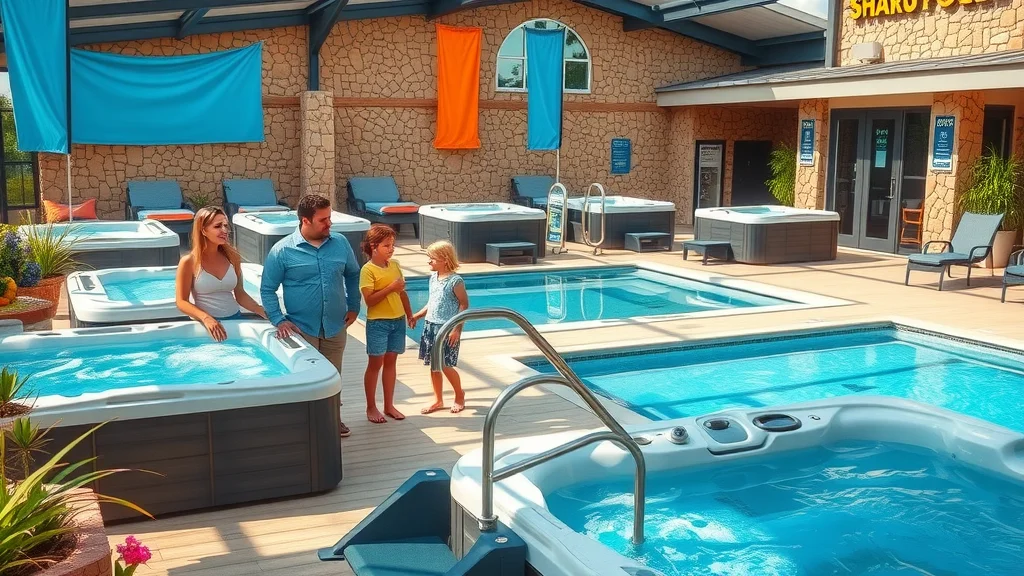
Poolside showroom with hot tubs, pools, happy families, and staff—showing industry optimism and adaptation to zero click era

Expert Insights: Key Takeaways for Hot Tub Dealers Navigating the Zero Click Economy

  • Success in 2024 requires hot tub dealers to embrace zero click strategies: manage your business data, respond actively to users “in the search,” and educate your team on digital visibility best practices.
  • Dealers who adapt will outlast the competition by turning zero click challenges into new leads and deeper customer relationships within the ever-competitive spa industry and hot tub market.

Senior hot tub industry consultant giving digital strategy webinar for dealers about zero click economy and spa sector trends

Frequently Asked Questions about How the Zero Click Economy Is Effecting Hot Tub Dealers

  • How can hot tub dealers optimize for visibility in a zero click economy?
    Hot tub dealers should focus on complete and regularly updated Google My Business profiles, answer customer questions directly in search results, and build robust online reputations with reviews and photo updates to stand out in local packs and featured snippets.
  • What are the most effective digital channels for hot tub dealers today?
    The best digital channels include Google My Business, Facebook local pages, Instagram, and platforms offering instant messaging or Q&A. Onsite content that answers specific questions about hot tubs and spa industry services is still crucial for longer-term engagement and conversion.
  • Are traditional marketing approaches for hot tub and spa industry still relevant?
    While traditional print and direct mail marketing still play a supportive role, the primary focus must shift toward digital strategies and interactive engagement if dealers want to keep pace with changing consumer behavior in the hot tub market.
  • What metrics should hot tub dealers track in the zero click era?
    Key metrics include search impression share, engagement on Google My Business, review frequency and sentiment, direct inquiry messages (via GMB or social), and the traffic from branded search rather than non-branded queries.

Summary: How the Zero Click Economy Is Effecting Hot Tub Dealers in the Spa Industry – Final Thoughts

"It’s not about who gets the most clicks—it’s about who creates the most value even when there are no clicks."
  • The impact of the zero click economy on hot tub dealers is clear: only agile, digitally-oriented businesses in the tub market and spa industry will continue to capture demand for hot tubs and achieve sustainable growth. Focus on providing value at every stage, even if you don’t “win the click.”

Next Steps: Elevate Your Hot Tub Dealer Strategy in the Zero Click Economy

  • To learn more visit; www.guilfoylemarketing.com
Industry Trends and Insights

19 Views

Write A Comment

*
*
Please complete the captcha to submit your comment.
Related Posts All Posts
02.17.2026

How the Zero Click Economy Is Impacting Hot Tub Dealers Now

Did you know that more than half of all Google searches no longer end with a single website visit? This startling shift, known as the zero click economy, is completely reshaping how hot tub dealers reach, engage, and convert customers. With so many buyers now finding quick answers without clicking through to dealer websites, the pool and spa retail sector must adapt faster than ever to stay visible—and viable—in today’s hyper-competitive hot tub market. This article explores how the zero click economy is effecting hot tub dealers right now, drawing insights from industry experts, real-world data, and actionable survival strategies. Startling Truth: The Immediate Impact of the Zero Click Economy on Hot Tub Dealers The zero click economy has created an environment where traditional web traffic is no longer a guaranteed asset for hot tub dealers. Today’s search engines, especially Google, increasingly deliver answers, reviews, and local business information directly within their own results. This means that when a potential buyer searches for “best hot tub near me” or “pool and spa dealers in North America,” an instant snippet, map result, or “people also ask” box may provide all the needed information—without any need to click away. For tub dealers, this translates to a dramatic drop in web referral traffic and a pressing need to rethink their digital strategies. Real-world data shows up to 65% of queries in home and outdoor living categories, especially for quality hot tub products, now result in a zero click. In the spa industry, many retailers have already reported web traffic dips as high as 30% in just 12 months. These trends have immediate consequences: fewer website leads, reduced exposure to store-specific hot tub deal promotions, and increased competition for in-SERP attention. For dealers relying on digital conversions to fuel showroom visits and service bookings, ignoring the zero click phenomenon is no longer an option. Survival in this new world requires a shift toward owning branded search results, optimizing for local and voice search, and understanding how customer service touchpoints now begin before a single site visit. What You’ll Learn About How the Zero Click Economy Is Effecting Hot Tub Dealers The definition and operation of the zero click economy How the zero click phenomenon changes consumer behavior for hot tub buyers Key strategies for hot tub dealers to remain competitive Real-world impacts and opinions from industry experts Understanding the Zero Click Economy: What Hot Tub Dealers Need to Know The zero click economy refers to a digital era where search engines answer user queries on the results page itself, eliminating the need for users to visit dealer or brand websites. Features like featured snippets, Google’s People Also Ask sections, map packs, instant answers, and even local store panels keep searchers within the boundaries of Google’s ecosystem. For hot tub dealers and the pool and spa sector, this shifts the goalposts from earning web clicks to dominating the search real estate. Digital disruption is nothing new—think of how the rise of social media, aggregator sites, and streaming services altered the retail sector and pool industry in recent years. But the zero click wave is especially impactful. Unlike past disruptions, it bypasses the traditional sales funnel, compressing the customer journey into a series of micro-interactions on search engines. This means tub market players must compete not just with other businesses, but with the search platform itself. To thrive, industry professionals now need more presence in featured snippets, Google Business Profiles, specialized reviews, and structured data that can surface in voice or contextual searches. Search features driving zero click searches Affects on the hot tub market Implications for the pool and spa sector How the zero click economy compares to previous digital disruption waves How the Zero Click Economy Is Effecting Hot Tub Dealers in Practice Declining web referral traffic is one of the most significant impacts of the zero click shift for hot tub dealers. Dealers once depended on organic search to drive traffic directly to their websites, where detailed product pages, blog articles, and online booking forms could convert leads. Now, however, many searches for product comparisons, pricing on hot tubs, or finding local dealers are answered in Google’s instant answers boxes or through aggregator review sites. This shrinks the pipeline for dealers’ most valuable prospects and makes it harder to communicate their unique value—a critical factor in the high-touch sales process of the hot tub market. There are also structural changes in how buyers research and choose their pool and spa retailers. With the dominance of Google’s ecosystem, real competitor data in the form of reviews, map listings, and Q&A panels increasingly shapes buying decisions. Some dealer groups have responded by investing in richer Google Business Profiles, leveraging structured FAQ content, and making use of visual content like virtual tours. But overall, the shift means anyone ignoring these new front-end formats risks rapidly losing local visibility—a sentiment captured by an industry analyst who warns: "Dealers who ignore zero click trends risk becoming invisible to local buyers." — Industry Analyst Declining web referral traffic for hot tub dealers Growth of instant answers impacting hot tubs research Listing real competitor data and the role of Google’s ecosystem Competitive Landscape: Hot Tub, Spa Industry, and Pool Industry Responses To counteract these disruptive forces, major hot tub brands and pool industry leaders are rethinking their approach to digital marketing and search optimization. The emergence of the Pool Pro movement illustrates how marketing innovation can help dealers reclaim their ground. Leading companies are shaping advanced local SEO strategies, investing in richer, more interactive Google Business Profiles, and collaborating with networking alliances like Aqua Alliance to pool resources and share best practices. These collective actions not only help fight click cannibalization but also fortify local visibility for hot tub deals and dealer promotions. Across North America, we’ve seen growing interest in leveraging community-centric marketing. This includes hosting local events, partnering with pool and spa service techs, and gathering more authentic, frequent customer reviews to display directly in Google search results. By taking a more proactive approach, the spa industry can keep local dealers front-of-mind when customers search for quality hot tub products, swim spas, or new pool installations. The rise in these strategies underscores a new competitive reality: those who dominate the local, in-SERP ecosystem—not just traditional web ranking—win the new digital retail game. Moves from major hot tub brands Emergence of the Pool Pro movement and marketing innovation The rise of local SEO and enhanced Google Business Profiles Consequences for the Hot Tub Market: From Dealers to Manufacturers The impact of the zero click economy doesn’t stop at dealer showrooms—manufacturers and supply chains also face ripple effects. As web leads, in-store visits, and conversions drop, manufacturing demand fluctuates, making it harder to predict stocking needs and shift production schedules. The tub market overall is becoming more competitive, with more manufacturers offering direct-to-consumer models and expanding their own presence in Google’s search features. Dealers must now prioritize data-driven marketing campaigns, personalized outreach, and comprehensive product representation across every digital channel—especially those where consumers see answers before they click. Pool industry manufacturers are also stepping up support for their dealer networks through shared digital assets, co-branded virtual tours, and dynamic product data feeds that fuel next-gen search experiences. Ultimately, survival depends on full integration, agile adaptation, and continuous monitoring of how the zero click landscape evolves, ensuring manufacturers and dealers work as a unified front. Comparison of Key Metrics: Pre- vs. Post-Zero Click Era Metric Pre-Zero Click Era Post-Zero Click Era Web Leads High (65-75% of inquiries) Dropped by 25-35% In-Store Visits Moderate, driven by website traffic More reliant on Google Maps & GMB Conversions Consistent, approx 10-15% of leads Lower—dependent on in-SERP engagement Consumer Behavior Shifts: How Hot Tub Buyers Adapt in a Zero Click World Today’s hot tub buyers are empowered, informed, and often make decisions without ever landing on a dealer website. Featured snippets, Google’s Local Pack, and People Also Ask sections now surface complete answers or top-rated dealers instantly. This has driven the explosive growth of aggregator and review platforms, where hot tubs, swim spa models, and even pool builders are rated, compared, and ranked—often with buyer trust shifting to these third-party sources. If tub dealers want to remain relevant, they must go beyond chasing clicks. It’s about connecting with consumers wherever they’re conducting their research: branded panels, map results, “call now” buttons, instant review snapshots, and even voice search answers. By providing consistent, transparent information (such as real-time pricing, detailed service call options, and average credit card approval rates for financing), dealers can build trust—even on platforms or apps not owned by them. This shift will only accelerate as AI and contextual search tools expand deeper into the pool and spa sales funnel. Influence of featured snippets and ‘People Also Ask’ Growth of aggregator and review platforms Why tub dealers must think beyond clicks Adapting for Survival: Hot Tub Dealers’ Strategies in the Zero Click Economy Dealers finding success in the zero click era are those who focus on owning their branded search results. This means meticulously updating business information, answering real customer questions, and leveraging all features of Google My Business—photos, posts, Q&As, and booking tools. Advanced tactics include using structured data markup (like product, review, and FAQ schema) and crafting voice-search optimized answers that are more likely to appear as featured snippets or map results. It’s equally crucial to maintain a local-first mindset. By claiming a spot at the top of local search packs, investing in reviews, and actively monitoring competitor activities, dealers can double down on visibility—sometimes with immediate impact. As one regional hot tub dealer shares: "We doubled our showroom bookings by targeting local searches, not just site clicks." — Regional Hot Tub Dealer Owning branded search results Leveraging Google My Business for hot tub deal and service visibility Advanced tactics: structured data, FAQ content, and voice-ready answers Hot Tub Dealers vs. Zero Click: Grit Game and the Aqua Alliance Perspective Navigating this zero click landscape takes more than solo effort; it’s about building a “grit game” and leveraging the collective strength of the Aqua Alliance. Across North America, dealer networks are banding together to share digital marketing resources, pool their data, and standardize messaging across platforms. These alliances help smaller dealers gain the reach and sophistication of larger chains, leveling the playing field in a world increasingly dominated by algorithm-driven visibility. Initiatives like shared advertising funds, cross-market review campaigns, and joint virtual events ensure that members of the hot tub dealer community can adapt to rapid platform changes without losing personal touch. By focusing on pooled expertise and shared tools, the dealer community anchors itself as an innovative, consumer-first force in the evolving pool and spa retail sector. Partnering for digital innovation in the hot tub dealer community Pooled resources for marketing in North America Key Statistics: The State of the Hot Tub Dealer Market in the Zero Click Era To fully appreciate how the zero click economy is effecting hot tub dealers, it’s vital to consider the latest key performance indicators (KPIs). While the spa industry historically grew at a steady 4-7% annually, recent numbers suggest the shift has compressed deal cycles and concentrated competition at the SERP level. Hot tub deal trends for 2023-2025 show an increased reliance on Google Business Profile-driven conversions, with many hot tub dealers reporting higher quality leads from these sources even as overall web traffic falls. Understanding these stats gives the industry a data-driven foundation to build upon. For ambitious pool builders, spa manufacturers, and dealers alike, it’s a clear call to action: adapt or risk being left behind in a rapidly evolving market. Hot Tub Dealer KPIs: Pre- & Post-Zero Click Era Comparison Indicator Before Zero Click After Zero Click Traffic Sources (Organic) Website (75%), Local Pack (15%), Referral (10%) Local Pack (40%), Website (45%), Direct/Referral (15%) Conversion Ratios 10-12% 8-10% Average Deal Value $6,500 $6,200 Spa industry historical growth rates Hot tub deal trends for 2023-2025 People Also Ask: Hot Tub Industry Outlook & Projections What is the outlook for the hot tub industry? The outlook for the hot tub industry in the coming years is competitive yet promising. Driven by trends in wellness, home improvement, and remote work, the demand for hot tubs remains robust, though consumer pathways to purchase have irreversibly shifted. With zero click searches leading more buyers to aggregator and review sites, hot tub dealers must stand out through enhanced branding, local SEO, and transparent reviews. Dealers who can adapt quickly are likely to thrive, particularly by focusing on premium service and customer experience alongside digital innovation. Will pool prices go down in 2026? While the wider pool industry continues to see innovation and increased supply, industry projections suggest pool prices may stabilize rather than experience significant declines by 2026. Factors such as labor costs, materials, and supply chain complexity still drive pricing. However, increased pool construction capacity and rising competition—fueled in part by digital comparison tools—may put gentle downward pressure on premium and entry-level segments alike. What is the pool industry outlook for 2025? The pool industry for 2025 is expected to show moderate growth, primarily as the North American market rebounds from supply chain issues of recent years. There is strong potential in the swimming pool and swim spa segment, with technology integration (smart controls, energy efficiency) creating new value opportunities for both builders and retailers. However, digital marketing agility and adaptation to the zero click economy will heavily influence who wins market share. What is the outlook for the pool industry? Overall, the pool industry’s outlook remains positive, albeit more fragmented. Direct-to-consumer sales, evolving online research habits, and emphasis on convenience and value will guide sector growth. In this landscape, the ability of pool builders and hot tub dealers to embrace digital-first, zero click tactics becomes a non-negotiable for sustained success. FAQs: Surviving and Thriving as a Hot Tub Dealer in the Zero Click Economy What are the top digital priorities for hot tub dealers? Hot tub dealers should prioritize optimizing Google Business Profiles, earning high-quality reviews, and using structured data to increase their chances of appearing in featured snippets, map packs, and voice searches. Regularly updating listings, answering FAQs, and showcasing visual assets are crucial for in-SERP differentiation. Can zero click search trends benefit local spa businesses? Yes! When managed strategically, zero click searches can actually funnel higher-intent customers directly to in-store visits or service call requests. By nurturing local search dominance and reputation, dealers can turn zero click visibility into booked appointments and sales inquiries. What are the best ways to showcase hot tub deals online? The best ways include using eye-catching photos, timely promotions, clear service offerings, and regular updates on Google Business Profile. Incorporating review highlights and FAQs tuned for local searches helps position a dealer as the first choice for buyers looking for a quality hot tub or new tub deal. Key Takeaways for Hot Tub Dealers: Responding to the Zero Click Economy Zero click searches are here to stay for the hot tub market Dealers must own local and branded SERPs Collaboration, innovation, and agility are key to thriving Consumer-first information flow wins in the digital hot tub market Final Thoughts on How the Zero Click Economy Is Effecting Hot Tub Dealers Hot tub dealers stand at a crossroads: adapt to the realities of the zero click world, or risk being left behind by more agile competitors. The path forward demands collaboration, customer focus, and relentless digital innovation. For More Innovation in the Hot Tub Dealer Arena Ready to master digital growth and thrive as the zero click economy evolves? To learn more visit; www. guilfoylemarketing. com

01.29.2026

Why Video Shorts are Critical to Hot Tub Dealers Now

Did you know that hot tub dealers who leverage video shorts on social media are seeing engagement rates soar up to 85% higher than those who rely only on photos or text? In the fiercely competitive world of hot tub marketing, this game-changing shift can no longer be ignored. Today’s prospective customers spend more time on platforms that prioritize short-form video content—making it the ultimate tool for capturing leads and promoting water care solutions, spa dealer expertise, and luxury pool builds. This article dives into why video shorts are critical to hot tub dealers and shares a roadmap for future-ready marketing in the pool and spa industry. A Shocking Fact: The Rapid Rise of Social Video in Hot Tub Marketing The landscape of hot tub marketing has radically transformed in recent years. According to industry surveys, over 76% of spa dealers now consider social media video their most effective marketing channel. Video shorts, in particular, are driving a revolution for hot tub, pool and spa businesses—quickly outperforming static ads, Google Ads, and search engine-based promotions. Where prospective customers once relied on word-of-mouth or glossy magazines, now a single engaging short can reach thousands of hot tub owners in moments. This trend is fueled by platforms like Instagram Reels, TikTok, and YouTube Shorts, all of which cater to users hungry for bite-sized, visually appealing content. Why is this such a big deal for hot tub dealers? Video shorts deliver a threefold benefit: they humanize the tub brand, demonstrate water care or installation processes, and prompt immediate action from curious tub owners. Dealers who stay on the cutting edge of tub marketing are learning that short, authentic videos help drive hot tub leads and keep their store top of mind—especially as more hot tub and pool builder businesses pivot to digital marketing strategies. The meteoric rise of video shorts is, in short, rewriting the rules for the entire industry and showing exactly why video shorts are critical to hot tub dealers today. What You'll Learn about Why Video Shorts Are Critical to Hot Tub Dealers How video shorts are transforming hot tub marketing strategies Key benefits for spa dealers and hot tub dealers Actionable steps for leveraging video shorts Proof from industry leaders and new trends in pool and spa commerce The Evolution of Hot Tub Marketing: Video Shorts vs. Traditional Channels Hot tub marketing hasn’t always been driven by flashy visuals and viral videos. Decades ago, spa dealers relied on print ads, mailers, and in-person events to connect with prospective customers. While these methods still have value, they’re quickly being eclipsed by the immediacy and reach of digital channels—especially short-form video content. Tub dealers who once devoted hefty budgets to newspaper spreads or trade shows now find a single well-produced video short can yield more tub leads than a month’s worth of print ads. This is particularly true for hot tub store owners aiming to reach younger buyers who live on their phones, not in their mailboxes. The move from print to social reflects broader shifts in tub marketing strategy. Social media platforms allow for direct interaction, instant feedback, and precise audience targeting. More importantly, they let hot tub brands show their products in action, from bubbling jets to easy water care routines—something no still image or text blurb could replicate. Dealers who adapt to this digital age position themselves as innovative and responsive, ensuring their tub brand remains relevant as buyer habits evolve. The evolution is clear: to lead in hot tub marketing, go where the viewers—and the video shorts—already are. From Print to Social Media: How Hot Tub Dealers Adapt As print media’s dominance wanes, successful tub dealers are embracing video-first strategies on platforms like Instagram, TikTok, and Facebook. By sharing behind-the-scenes looks at new models, demoing water care solutions, or featuring customer testimonials, these hot tub store owners craft authentic connections that static posts can’t match. The shift requires more than just new platforms—it’s about reimagining marketing strategy itself, putting customer engagement and visual storytelling at the forefront of every campaign. Dealers find this approach not only attracts attention but also drives highly qualified hot tub leads ready for the next step in their purchase journey. Implementing video shorts doesn’t mean abandoning tried-and-true tactics; rather, it means using them smarter. Many spa dealers combine traditional print with digital follow-ups, such as QR codes linking directly to video content or special pool and spa promotions shown in-store and online. By seamlessly blending print familiarity with digital innovation, hot tub dealers offer an experience that meets customers where they are—physically and digitally—thus maximizing their tub lead generation potential. Marketing Strategy Shifts for Tub Marketing in a Digital Age The move toward video shorts demands a fundamental shift in marketing strategy for every hot tub dealer. Instead of lengthy product brochures, leading sellers focus on quick, memorable clips that highlight unique selling points—like the number of jets, innovative water care, or easy pool build installations. Not only do these videos foster more interaction; the data shows they also produce higher conversion rates among tub owners ready to invest. Combining analytics with authentic content gives tub dealers powerful insights into what works and where to optimize their efforts for hot tub marketing success. Social media algorithms also give preference to video content—particularly short formats that keep users engaged. By leaning into the tools and platforms that reward creativity and relevance, tub brands can outpace competitors still clinging to outdated methods. The marketing strategy for forward-thinking hot tub stores now blends fast-learning, frequent experimentation, and deep understanding of what today’s pool and spa buyers truly want to see and share. Comparing Traditional Marketing with Video Shorts for Hot Tub Dealers Channel Cost Engagement Rate Lead Quality Scalability Print Ads & Mailers High Low Varies Limited In-store Events Medium Medium Medium Low Social Media – Video Shorts Low Very High High Unlimited Google Ads (Digital) Variable Medium High High What Makes Video Shorts So Effective for Hot Tub Dealers? Short-form videos have become the gold standard for hot tub marketing because they combine immediacy, intimacy, and entertainment in just seconds. With social media’s focus on mobile content, it’s never been easier—or more important—for spa dealers to meet audiences where they already spend their time. Video shorts can highlight the luxurious feel of a hot tub, demonstrate care tips, or capture the fun of a pool build reveal, all while engaging viewers in a memorable way. Authenticity is key: buyers connect with real people sharing real experiences, rather than polished ads. This approach elevates both hot tub marketing and water care education, making information stick and spurring viewers to reach out for more details. The success of video shorts is also driven by the algorithms powering social media. Quick, engaging videos that get likes, shares, or comments are promoted in feeds, increasing visibility for tub brands and translating into more tub leads. Dealers who optimize videos for mobile, target the right groups of tub owners, and consistently deliver visually appealing content see not just a spike in attention—but real improvements in lead generation, conversions, and customer retention. These are the practical reasons why video shorts are critical to hot tub dealers and why every tub store should make them central to their marketing strategy. Social Media Virality: Why Video Shorts Outperform Other Formats Video shorts succeed on social media because they’re engineered for sharing. Users swiping through their feeds are more likely to stop, watch, and share a 15-60 second clip than read a text post or analyze a static photo. Viral potential means every successful video has the chance to reach new, untapped audiences—often in the exact demographic tub dealers want. For hot tub marketing, this can mean a single well-timed short generates more leads than weeks of traditional digital marketing. With the right hashtags, call-to-action, and eye-catching visuals, even a small local spa dealer can compete with national tub brands in terms of reach. Unlike longer marketing videos, shorts serve today’s viewers who demand instant gratification and crave visually rich stories. By focusing on fun, informative, or emotional moments—like the joy of a first soak, or a before-and-after pool build transformation—dealers can create memorable moments that fans want to spread, tagging friends or returning to the tub store for more tips. Every share, every comment, multiplies the impact of the original post, making video shorts an invaluable tool for ambitious hot tub dealer teams aiming for growth in a digital landscape. Maximizing Visual Appeal for Hot Tub and Spa Dealer Audiences For hot tub marketing to excel, visual appeal must be front and center. Effective video shorts focus on clarity, color, and relatable human moments—showing happy tub owners, luxurious spas, or clever water care fixes in a way that feels inviting and aspirational. Dealers should film in well-lit, tidy environments and highlight features like sparkling jets, intuitive controls, or innovative spa designs. The best spa dealer videos feature staff, real customers, or trusted technicians, all emphasizing authentic expertise and care. Animations, text overlays, and upbeat music can add layers of polish, but clarity and authenticity remain non-negotiable. By prioritizing good visuals, hot tub dealers can stand out from generic content online. The result is content that drives not only views, but meaningful action from motivated hot tub owners. Whether promoting a unique tub brand, showing off the latest pool build, or offering a helpful maintenance tip, visual storytelling helps viewers imagine real-life benefits—ultimately boosting engagement, lead generation, and customer loyalty. Mobile Engagement and Smart Group Targeting for Tub Marketing Over 80% of video viewers consume content on mobile devices. For tub dealers, this means every video short must look and sound great on smaller screens, with bold visuals and clear calls-to-action. Tools like built-in mobile editing apps make quality production accessible—even for small spa dealer teams without big budgets. Importantly, advanced targeting features on platforms like Instagram and Facebook let dealers deliver video shorts to segmented audiences, ensuring every pool and spa video appears before the customers most likely to convert. Smart group targeting brings even more value: by identifying subsets of tub owners, dealers can customize offers and messages, maximizing ROI from every marketing dollar spent. Engagement doesn’t stop at publishing. Smart group analytics offer insights on who’s watching, sharing, and clicking—helping hot tub brands fine-tune their approach for even better results. By focusing video shorts on real needs (like water care, installation walkthroughs, or pool build inspiration), dealers ensure messaging lands, building trust and nudging tub leads toward purchase. This blend of mobile optimization and audience intelligence is a cornerstone of modern hot tub marketing, delivering fast, measurable wins for those willing to adapt. The Science: How Video Shorts Influence the Hot Tub Owner's Buying Journey Behind every hot tub or pool and spa purchase is a journey—from initial interest to final decision. Recent research shows that video content, especially shorts, accelerates this progress by answering questions, demonstrating product benefits, and reducing hesitation. Prospective customers who watch short-form videos from a spa dealer are nearly twice as likely to become hot tub owners versus those who only view static social media posts. Why? Because videos build confidence, foster trust, and demystify crucial topics like water care and installation. For tub marketing, this means a direct line between a well-timed short and a lucrative sale. Buyers faced with a sea of tub brands and endless choices crave guidance. Video shorts break down the path to ownership into manageable, visually rich segments—turning intimidating decisions into inviting possibilities. Whether explaining energy efficiency, highlighting new hot tub features, or showing before-and-after results from a pool build, shorts meet buyers in micro-moments, providing just what they need to say “yes. ” This explains, on a psychological level, why video shorts are critical to hot tub dealers hoping to guide leads toward confident action. Video Shorts & Decision-Making: Moving Hot Tub Owners from Awareness to Action Every marketing strategy in the pool and spa industry revolves around one key goal: moving hot tub owners and prospects from passive curiosity to decisive action. Video shorts excel here because they compress the customer journey—often sparking action on the first viewing. By demonstrating tangible benefits, sharing honest testimonials, or providing a quick tip about water care, dealers remove barriers that traditionally stall the sales process. Prospective customers can immediately see why a particular tub brand, style, or dealer is their best option. Hot tub owners respond especially well to authentic storytelling and real-life visuals. Instead of abstract promises, a video showing a simple water test or the bliss of a new spa triggers emotional responses and prompts instant engagement. Calls-to-action embedded in these shorts—like “Claim Your Free Water Care Kit,” “Watch Our Pool Build in 60 Seconds,” or “Talk to a Spa Dealer Today”—help viewers convert from interest to lead with a single tap. In a world where attention spans are shrinking, video shorts give tub marketing teams the decisive edge in converting hot tub leads fast. Effective Storytelling Techniques for Tub Owners and Pool and Spa Buyers For hot tub dealers, crafting compelling short videos means mastering storytelling on a micro scale. The framework is simple: grab attention in the first three seconds, follow with an engaging narrative or tip, then close with a clear next step. Effective shorts leverage common buyer questions (“How do I care for my new spa?”) or tap into key moments (“See our fastest pool build ever!”). By mixing customer stories, behind-the-scenes tours, and quick how-tos, spa dealers build authority and trust, fostering loyalty and repeat business from hot tub owners and pool builder prospects alike. Emotional connection is the final secret. Authenticity, humor, or genuine care (such as demonstrating water care for anxious first-time buyers) goes further than polished sales pitches. The primary goal is to make viewers feel confident, informed, and excited—so they’ll want to learn more, visit the hot tub store, or share the video with friends. The success of video shorts lies in their ability to forge a real relationship, turning casual viewers into passionate advocates for the tub brand or spa dealer. “Short-form videos drive 85% more engagement than static images in hot tub marketing.” – Industry Expert Case Studies: Hot Tub Dealers Thriving with Video Shorts Across the country, savvy hot tub dealers and spa dealers are already using video shorts as their ticket to thriving in a crowded market. One standout example is a Midwest spa dealer who implemented a new digital marketing strategy focused almost exclusively on Instagram Reels. After just three months, they reported a 60% increase in qualified hot tub leads and a 30% boost in water care sales. The key? Smart group targeting combined with a steady stream of quick, educational videos. Dealers in the Pacific Northwest have mastered the art of seasonality, sharing pool build updates and spa installation time-lapses that go viral each spring. By documenting real customer journeys—showing the “before,” “during,” and “after” of buying and using a hot tub—they foster word-of-mouth and build credibility faster than paid ads alone. These case studies confirm: adopting video shorts is not just a passing trend, but a proven way to level up every phase of tub marketing, from awareness to loyalty. Smart Group Results: Transforming Hot Tub Owner Leads The “smart group” approach enables hot tub stores to segment their target audience—new spa buyers, experienced tub owners, or repeat water care customers—and tailor video shorts accordingly. A leading spa dealer in California used this strategy, creating separate playlists for maintenance tips, luxury upgrades, and first-timer FAQs. The result was a significant drop in bounce rates and an uptick in conversions, with nearly 70% of viewers interacting with at least one video per session. This refined targeting solidifies why video shorts are critical to hot tub dealers, maximizing every marketing opportunity and generating high-quality leads. Beyond leads, the smart group tactic boosts retention too. By sending personalized follow-ups and sharing new shorts based on customer interests (such as advanced care or pool builder guides), dealers see a rise in repeat purchases and enthusiastic customer referrals. Video analytics confirm what many intuitively know: relevant, well-produced shorts delight tub owners at every stage, keeping their attention in a noisy digital marketplace. Turning Water Care Demos into Profitable Video Content Water care has long been a confusing topic for new hot tub owners. Savvy tub dealers are using video shorts to simplify the process and turn initial confusion into profitable engagement. For instance, a spa dealer in Texas found that weekly 60-second water testing demos not only answered common questions but also boosted sales of maintenance kits and recurring chemical subscriptions. By inviting in-store visitors and online viewers to submit water care questions, the dealer positioned themselves as a go-to resource, boosting both trust and transaction value. Professionalism matters: clear visuals, step-by-step processes, and friendly, reassuring narration make maintenance seem approachable. Pool and spa businesses that document their process—from testing pH levels to changing filters—help demystify ownership for new buyers, reducing returns and driving lifetime value. The lesson is clear: with the right strategy, water care demos become evergreen assets for both lead generation and customer retention. Showcase of successful video shorts used by a leading spa dealer Planning Your Marketing Strategy: Next Steps for Hot Tub Dealers Now that it’s clear why video shorts are critical to hot tub dealers, it’s time to plan your strategy. Start by identifying your core audiences—first-time tub buyers, water care subscribers, or pool builder clients—and brainstorming the questions they ask most. Next, outline simple content ideas that address those needs in fun, visual ways. Remember: it’s less about perfection and more about consistency, authenticity, and value. Equip your team with mobile filming tips, basic lighting, and user-friendly editing tools. Schedule regular posts, and monitor what works to shape future campaigns for maximum impact in tub marketing. Partnerships with satisfied hot tub owners, influencer collaborations in the pool and spa space, and seasonal campaigns (like “Spring Pool Build Specials”) can supercharge your results. Most importantly, set clear KPIs for every short—measuring engagement, leads, and sales. By following a roadmap that blends creativity with analytics, every hot tub dealer, spa dealer, and pool builder can achieve long-lasting results in a changing digital landscape. Content Ideas for Engaging Video Shorts in Tub Marketing Quick maintenance tips and water care guides Pool and spa installation showcases Testimonials from hot tub owners and tub owners Seasonal pool build promotions Tools and Platforms for Video Shorts in Social Media Hot Tub Marketing Video shorts don’t require advanced equipment. A smartphone with a good camera, free editing apps (like InShot or CapCut), and basic lighting can produce stunning content for any hot tub store. Popular platforms for tub marketing include Instagram Reels, TikTok, Facebook Stories, and YouTube Shorts—all of which offer robust analytics, mobile-friendly editing, and instant feedback on what resonates with viewers. Many spa dealers experiment with scheduling tools and A/B testing to refine their messaging for different groups. Cloud-based storage supports easy collaboration across locations, especially valuable for multi-store hot tub brands looking to synchronize marketing strategy efforts. To get started, coaches recommend batching several videos at once, using templates to maintain branding consistency, and including clickable CTAs. Cross-promotion with local pool builder partners or water care brands can expand reach and bolster credibility. Above all, hot tub dealers should remember that their authenticity and unique expertise are what make every short stand out in a busy feed. Setting KPIs for Your Video Shorts Marketing Strategy Setting clear and measurable goals is essential. For each video short, define what you want to achieve: More inquiries? Greater water care kit sales? Higher engagement on a new tub brand launch? Typical KPIs might track engagement rate, watch completion, lead conversions, and click-through rates to landing pages or ecommerce stores. Analytics platforms within Instagram, Facebook, and TikTok offer real-time data, letting you iterate quickly and double down on successful tactics. By connecting your objectives to actionable data, your hot tub marketing strategy will remain focused and results-driven across every campaign. Sample Video Shorts Marketing Strategy Timeline Goal Content Type Platform KPI Responsible Person Increase water care kit sales Maintenance Demo Short Instagram Reels Sales Conversion Rate Technician / Sales Rep Drive new tub owner inquiries Customer Testimonial TikTok Lead Form Submissions Marketing Team Boost seasonal pool build awareness Installation Time-lapse Facebook Stories Shares/Views Store Manager Common Challenges: Getting Started with Video Shorts for Hot Tub Dealers While video shorts offer huge advantages, many spa dealers face initial hurdles, from camera shyness to technical uncertainties. The hardest step is simply beginning. Dealers worry their videos won’t match up to “perfect” social media content from bigger brands, but viewers care far more about authenticity and practical advice than Hollywood-level polish. Even one video answering a common water care question can win over dozens of highly qualified tub leads. The key is to start with simple formats—such as staff intros, quick installation guides, or a favorite pool and spa success story—and improve with each post. Remember, most viral shorts began as experiments, not feature films. Another frequent stumbling block is consistency. Dealers who schedule regular shooting days, prep shot lists in advance, and use templates for editing find it much easier to maintain momentum over time. Investing in light background music, simple graphics, or even crowd-sourced content from loyal tub owners can lighten the workload and add creative variety to your feed. The biggest risk is doing nothing at all—waiting too long means missing out on new leads, engagement, and customer loyalty in a competitive marketplace. Overcoming Production Anxiety for Spa Dealers Camera shyness is a natural obstacle for many hot tub dealers venturing into video. Ease into the process by starting with voice-overs, product shots, or recruiting outgoing tubs store employees to lead the way. Every tub marketing journey gets easier with repetition—feedback from customers or staff will build confidence and inform future improvements. Dealers can rehearse scripts, use cue cards, and practice filming in low-pressure settings before sharing final versions. The most important step is simply clicking “record”—most viewers will forgive minor hiccups if the content is sincere and helpful. Don’t be afraid to share your learning curve. Customers appreciate transparent, behind-the-scenes stories as much as polished end results. Over time, regular practice makes hot tub store teams more natural in front of the camera and more responsive to trending challenges in the pool and spa industry. Addressing Common Pitfalls in Hot Tub Marketing via Video Shorts Not optimizing for mobile and pool builder audiences Ignoring branding guidelines for tub marketing Failing to track hot tub owner engagement metrics Technical and strategic pitfalls can limit the effectiveness of any video marketing strategy. Failing to optimize videos for mobile—such as using small text or crowded visuals—reduces their impact among pool builder and hot tub owner audiences. Ignored branding guidelines lead to confusing messaging, diluting your unique tub brand in a crowded feed. And without tracking metrics like watch time or click-throughs, you’ll never know which content actually moves the needle. Savvy dealers put systems in place to measure, adapt, and refine their tub marketing with every post. “Start simple. Even basic video shorts can boost leads for pool and spa businesses.” – Marketing Consultant Measuring Success: Analytics for Video Shorts in Tub Marketing Analytics are the engines that make your video short strategy run smoothly. Top-performing hot tub dealers regularly review key metrics—for instance, which videos generate the most engagement, which topics prompt leads, and how viewers move from discovery to inquiry. Built-in platform dashboards track everything from watch completion rates to lead conversion, giving instant feedback on what’s resonating. Some tub brands invest further, using third-party tools for even deeper insights—such as tracking the impact of video shorts over a full pool build season or comparing different spa dealer campaigns side-by-side. What matters most is regular review and swift iteration, ensuring your tub marketing is never left to guesswork. Success is not just a single viral short. Instead, consistent, data-driven improvement ensures steady growth, stronger brand loyalty, and a constant flow of new hot tub leads. Smart group analysis—such as breaking down results by buyer type, season, or content theme—guides future production and campaign choices, securing enduring advantage in a fast-evolving market. Key Metrics for Hot Tub Dealers to Track Engagement rate Video watch completion Lead conversions Water care click-throughs Iterating Your Marketing Strategy Based on Video Shorts Performance Every hot tub dealer must view their marketing strategy as a living process. Use real-world results to refine future content: double down on what works, update or retire what doesn’t, and continually ask for direct feedback from tub owners and pool and spa customers. Trial and error are essential to discovering your audience’s preferences—sometimes, an unexpected video short will become your most effective lead magnet. By tracking, learning, and pivoting often, even small spa dealers can outmaneuver larger tub brands still relying on outdated tactics. The secret is embracing change, acting on insights, and making every video short count. At a minimum, quarterly reviews of your hottest topics, highest-performing shorts, and engagement trends allow true data-guided growth. Don’t be afraid to experiment—today’s digital marketing rewards creativity, proactivity, and a willingness to adapt with the needs of prospective hot tub buyers. People Also Ask about Why Video Shorts Are Critical to Hot Tub Dealers Can I wear normal shorts in a hot tub? While you can physically wear normal shorts in a hot tub, most spa dealers and pool and spa operators recommend specialist swimwear. Regular shorts may shed fibers or collect water care chemicals, which can impact water clarity and overall tub performance. Protect your hot tub (and prolong the effectiveness of your water care strategy) by using swim-tested attire. Tub owners will enjoy easier maintenance and a superior soak. Did Twitch remove the hot tub? No, Twitch didn’t remove hot tub streams; instead, they introduced dedicated Pool, Hot Tub, and Beaches categories to keep content organized. This mirrors social media’s broader embrace of video content for pool and spa topics. For tub marketing teams, it’s another reminder to use trends, platforms, and video shorts to reach wider audiences and answer questions directly in the format customers now expect. FAQs: Why Video Shorts Are Critical to Hot Tub Dealers What makes video shorts stand out for hot tub marketing? Video shorts grab attention quickly and showcase spas in action. They’re visually engaging, highly shareable, and prioritize real-time education over long-winded ads. For hot tub dealers, this means more leads and stronger connections with tub owners. How long should video shorts be for optimal engagement in tub marketing? Aim for 15-60 seconds. This window matches current social media trends and keeps pool and spa prospects focused from start to finish. The best shorts get the point across in one seamless viewing. Can video shorts help spa dealers reach a younger audience? Absolutely. Young buyers spend most of their online time on video-centric platforms. Hot tub marketing that leans on video shorts wins their attention and trust faster than text or static images. Are there budget-friendly tools for making video shorts for pool builder businesses? Yes! Free or low-cost tools like CapCut, InShot, or even built-in smartphone editors allow any pool builder or hot tub dealer to create visually appealing video shorts without expensive software or filmmaking skills. Key Takeaways on Why Video Shorts Are Critical to Hot Tub Dealers Video shorts dramatically increase engagement and leads for hot tub dealers. Short videos can visually demonstrate water care and installation processes, making them ideal for tub owners. A strategic approach to social media video shorts is now essential for competing in the pool and spa industry. Summary: Adopting Video Shorts for Future-Ready Hot Tub Marketing The hot tub and spa dealer landscape is rapidly evolving—dealers must embrace video shorts in their marketing strategies to remain competitive. The evidence is clear: those who adapt, thrive. For more Articles Like this subscribe Now!


01.28.2026

Why Hot Tub Dealers Must Master EEAt From Google Now

Startling Fact: Did you know that over 70% of online purchases in the hot tub segment are influenced by search trust signals and Google’s quality standards? In today’s digital marketplace, mastering why hot tub dealers need to know about EEAT from Google isn’t just a competitive edge—it’s the key to survival and growth. If you sell hot tubs, ignoring EEAT means risking your online visibility, losing trust with your audience, and getting left behind by savvy competitors. This guide unpacks exactly what EEAT is, why it matters, and how you can harness its power for your hot tub business. "Over 70% of online purchases in the hot tub segment are influenced by search trust signals and Google’s quality standards." A Surprising Truth: The Hidden Role of EEAT in the Hot Tub Industry Most hot tub dealers focus on offering top-quality hot tubs and excellent in-store experiences. However, the online world plays by different rules, with Google’s EEAT standards acting as invisible referees for every digital interaction. Whether you’re listing your latest model or sharing maintenance tips, Google determines if your content is credible, relevant, and trustworthy through EEAT—Experience, Expertise, Authoritativeness, Trustworthiness. If your website doesn’t demonstrate these standards, you could struggle to appear in search results, no matter how good your products are. Search quality rater guidelines, Google’s own set of “instruction manuals” for human website reviewers, shape what content surfaces—and what disappears. Hot tub dealers who adapt their content strategy to align with these guidelines enjoy better ranking factors, higher search engine visibility, and increased potential customer conversions. The bottom line? EEAT is now the backbone of online success in the hot tub industry. Miss these signals, and you risk falling behind the competition. But the good news is that, with the right approach, you can quickly make your dealership stand out as a trusted destination—both for Google and for customers looking for their next backyard upgrade. The Shift in Google Search: How Hot Tub Dealers Must Adapt The way your business appears on Google has dramatically changed over the last few years. Today, search engines prioritize sites showing real-world expertise and trustworthiness, pushing generic or “thin” content further down. For hot tub dealers, this means that your website must go beyond just selling: you need to demonstrate expertise, provide genuine advice, and build trust every step of the way. Google’s algorithm and search quality rater guidelines increasingly stress transparency, authority, and practical experience. To stay ahead, hot tub dealers must overhaul old habits and ensure that all online content—from product pages to social media reviews—reflects EEAT qualities. The reward? A prominent position in search results and a steady flow of new, highly qualified leads. EEAT isn’t a trend; it’s the new standard for running a successful hot tub dealership online. Unveiling EEAT: What Every Hot Tub Dealer Should Know Before diving into strategies, let’s address what’s at stake: EEAT directly impacts your ranking factors and your dealership’s ability to capture attention in a competitive market. For hot tub dealers, this means your content quality is constantly evaluated not just by Google’s machines, but also by human “quality raters” tasked with upholding search quality standards. Knowing how EEAT works—and the specific ways Google and its quality raters judge a business like yours—is essential for both survival and growth. The essential truth? Adopting EEAT is no longer optional; it’s an urgent necessity for maintaining relevance in Google search, converting potential customers, and establishing your brand as an important member of the hot tub community. The competitive advantage goes to those who drive change, not those who wait. What You'll Learn from Understanding Why Hot Tub Dealers Need to Know About EEAT from Google Definitions and implications of EEAT for hot tub dealers How Google search, ranking factors, and quality rater guidelines impact your business Best practices for content creation and digital trust Actionable steps to implement EEAT standards today Understanding EEAT: Why Hot Tub Dealers Need to Know About EEAT From Google EEAT Explained: Experience, Expertise, Authoritativeness, Trustworthiness EEAT stands for Experience, Expertise, Authoritativeness, and Trustworthiness. For hot tub dealers, these four pillars are the gold standard for Google’s search quality evaluations. Let’s break down each element: Experience: Demonstrate real, hands-on involvement in the hot tub industry—showcase your years of experience, share actual customer stories, and publish content from staff who’ve tested and installed hot tubs themselves. Expertise: Prove your team has subject matter knowledge—feature qualified writers, highlight training, display certifications, and offer helpful content that solves customer problems. Authoritativeness: Build a digital reputation—get cited by industry publications, collect reviews, and partner with reputable brands to show you’re a leading voice in the hot tub field. Trustworthiness: Secure your website, make contact information accessible, and provide transparent about pages, privacy statements, and real testimonials to ensure visitors feel safe engaging with your dealership. Google’s quality rater guidelines focus on these elements when determining which pages deserve top search results placement. By aligning your content creator strategy with EEAT, you not only meet Google’s criteria but also win over cautious potential customers. Google Search Quality and Hot Tub Business Visibility Google’s evolving landscape means that search quality is more important than ever. Achieving high visibility depends on how convincingly your dealership’s digital presence checks off the EEAT boxes. This is about more than keywords—Google’s search engines analyze if your dealership actually helps buyers: Are your articles written by proven hot tub professionals? Do you provide detailed answers to customer questions? Is your site design secure, up-to-date, and easy to navigate? The more credible and helpful your digital content appears, the higher it will rank against competitors. Conversely, lackluster content or missing trust signals can drop even the best dealerships off the front page. That’s why forward-thinking hot tub dealers are ramping up expertise, authority, and trust with every online update. Role of Google Quality Rater Guidelines for Hot Tub Dealers Behind every major Google algorithm update are thousands of human quality raters who “test drive” search results based on the quality rater guidelines. Their feedback, while not impacting search rankings directly, shapes future updates and evaluates how well EEAT standards are being met. For a hot tub dealer, understanding these guidelines isn’t just for IT teams or SEO professionals—it should guide your marketing, content creation, and even customer service strategies. Study the public version of the search quality rater guidelines and you’ll discover how much value Google places on trust, accurate product info, and seamless customer journey experiences. By mirroring these guidelines in real dealer content, you create a site that both users and Google instantly trust. Why Experience Matters: Real Insights for Hot Tubs and Dealers In the hot tub business, nothing beats genuinely understanding your products and customers. Google’s latest updates double down on the “Experience” part of EEAT—factoring in whether the person creating your content has real-life knowledge of hot tubs: their installation, maintenance, and customer challenges. For example, blog posts authored by long-time store staff or guides featuring actual installation photos provide tangible proof of expertise. This first-hand perspective sets your dealership apart, increases search trust, and reassures customers they’re dealing with real pros—not just salespeople. Video testimonials, team bios, and behind-the-scenes stories are gold for reinforcing your experience and climbing Google’s rankings. How Google Uses EEAT: Implications for Hot Tub Search Rankings Ranking Factors: How EEAT Impacts Hot Tub Dealer Visibility Google uses more than 200 factors to determine who appears at the top of search results, but EEAT is quickly becoming one of the most influential. Pages and businesses that clearly exhibit EEAT signals naturally earn higher organic positions for hot tub-related search terms. How does this play out for your dealership? If your team’s expertise is demonstrated through knowledgeable articles, your positive reviews are widespread across the web, and your business credentials are transparent, Google gives you a measurable boost. Conversely, sites with thin information or inconsistent trust signals drop below more credible, EEAT-aligned competitors. The message is clear: the more you invest in EEAT, the higher you climb in Google search. Search Quality Rater Guidelines Explained for Hot Tub Industry The search quality rater guidelines are Google’s official playbook for evaluating the helpfulness, accuracy, and trust factor of online content. Hot tub dealers who master these principles find it much easier to produce content that outshines competitors and meets real customer needs. Here’s what’s emphasized: Detailed product descriptions backed by firsthand reviews and customer experiences. Fully transparent business details, including certifications and contact information. Author profiles that highlight industry experience, awards, and accreditations. Continuous updates to ensure advice and product information are current. Regular audits against the quality rater guidelines ensure that your dealership’s website and content not only reach but maintain top rankings going forward. Comparison of EEAT Elements in Top Hot Tub Dealer Content vs. Low-Performing Pages EEAT Element Top-Performing Dealer Pages Low-Performing Pages Experience Staff bios, installation stories, real customer photos Generic information; stock images Expertise Articles by certified staff, maintenance guides, FAQ sections Bare product features; little problem-solving content Authoritativeness Industry awards, testimonials, review badges Unverified claims; no external validation Trustworthiness Secure checkout, business credentials, clear privacy policy Missing details; few trust signals or insecure site Building Trust Online: Applying EEAT to Hot Tub Dealer Content Creation Key Elements of Content Creation for Hot Tub Dealers To build an EEAT-compliant online presence, hot tub dealers must rethink each piece of content. Content quality now means offering value, proving your authority, and personally engaging with your potential customer at each step: Establish author credibility: Highlight staff who contribute, share certifications, and link to real backgrounds. Share real experiences: Post stories, customer interviews, and in-depth reviews that show hands-on product knowledge. Maintain transparency: Make contact details, business credentials, and returns policies easy to find on every page. Update content regularly: Reflect seasonal maintenance, tech advances, and new product releases in your blog and main pages. Strong, authentic content engages visitors, builds your digital reputation, and skyrockets your hot tub dealership in search rankings. How to Leverage Social Media and Google Ads for EEAT Compliance Social media and Google Ads are increasingly vital for reinforcing your EEAT credentials and expanding your hot tub dealership’s reach. Here’s how you can leverage these channels: Share customer reviews and real-life testimonials across platforms, boosting both trust and online mentions. Feature educational posts, dealer stories, and live Q&As to show both expertise and approachability. Sync Google Ads campaigns with landing pages optimized for EEAT—ensuring a seamless user experience from ad click to checkout. Encourage users to post openly on your profiles, amplifying third-party trust and proving you value authentic feedback. When your social media and ad strategy align with EEAT, it not only improves Google search rankings but also builds sustained interest and credibility with every potential customer. Avoiding Common Pitfalls: Quality Rater Warnings The biggest mistakes hot tub dealers make? Ignoring quality rater guidelines, posting duplicate content, and failing to back up claims with evidence. To avoid these pitfalls: Only publish original, well-researched articles—never thin or “filler” posts. Fact-check every statistic and back up recommendations with product data or case studies. Promptly respond to negative reviews and make it easy for users to contact you for clarification or support. Remember, search quality raters review sites with a critical eye, looking for transparency, reliability, and accurate information at every turn. Making your EEAT efforts visible and consistent across your online presence will help you dodge penalties and earn customer trust for the long haul. Hot Tub Dealer Case Study: EEAT Strategies in Action "Implementing EEAT tripled our organic leads in just two months." — Leading Hot Tub Retailer Tactics Employed: From Author Bio to Customer Reviews One mid-sized hot tub dealership recently transformed their search rankings by overhauling their content and aligning with EEAT. Their approach: Added author bios to every blog post, clearly listing credentials and contact info for transparency. Encouraged satisfied customers to leave Google reviews and shared these across social media and their own site. Highlighted third-party certifications and industry memberships on product pages. Created a video series showing staff installing and maintaining various hot tubs, proving real hands-on experience. This case study demonstrates that practical, visible EEAT signals directly lead to more clicks, trust, and ultimately sales—increasing both customer confidence and Google’s estimation of your dealership’s quality. Measuring EEAT: Tools and Metrics Tracking your EEAT success is essential for ongoing improvement. Here are useful tools and metrics hot tub dealers should use: Google Search Console: Monitors search performance and highlights pages gaining or losing visibility due to ranking factors like trust or authority. SEO strategy platforms (Ahrefs, SEMrush): Analyze backlink quality, author bios, and mention frequency to track authority growth. Review monitoring tools (Google My Business, Trustpilot): Assess the volume and sentiment of reviews—a direct trust indicator. On-page audits: Use Screaming Frog or Sitebulb to check for missing security features, outdated content, or incomplete contact information. Set benchmarks, monitor results, and adjust your digital marketing plan to continuously reinforce your EEAT signals online. Practical Steps: Why Hot Tub Dealers Need to Know About EEAT from Google and How to Succeed Audit your current hot tub content for EEAT signals Enhance expertise through qualified authors and rich product info Optimize for Trust: secure site, get reviews, display credentials Integrate EEAT with Google Ads and SEO The Future: Why Hot Tub Dealers Need to Know About EEAT from Google for Continued Growth Emerging Trends in Google Search for Hot Tub Dealers The future of Google search is rapidly evolving, especially for local and “big purchase” industries like hot tubs. Expect these trends: Greater weight to real-world expertise and live product demonstrations in ranking factors. Search engines increasingly prioritize businesses with ongoing, transparent conversations—think live Q&As or real-time review response. AI-driven search results surfacing the most credible, updated content creator sources first, shrinking the pool of “top” competitors. Stay ahead by monitoring Google’s updates, adapting quickly, and embedding EEAT practices in every customer touchpoint—online and offline. Money or Your Life (YMYL): What it Means for Your Business Hot tub purchases often fall under Google’s “Money or Your Life” (YMYL) category, given the investment size and safety implications. For YMYL businesses, Google applies the strictest search quality rater guidelines—meaning accuracy, safety, and transparency are paramount. If a customer perceives risk, they’ll move on to a more trusted competitor. To stay competitive, hot tub dealers need to: Regularly update safety, warranty, and installation advice. Prominently display business credentials and up-to-date contact info. Respond to evolving guidelines, feedback, and customer reviews with agility. "Google is rewarding trust at an unprecedented pace — hot tub dealers must respond now." Watch as a digital marketing strategist and successful hot tub dealer share actionable EEAT strategies, with clear steps for implementation. Includes practical tips and a live look at web analytics and review management tools. People Also Ask: Why Hot Tub Dealers Need to Know About EEAT from Google Why is E-E-A-T important? E-E-A-T is crucial because it determines how Google evaluates the quality and trustworthiness of your hot tub website and its content, directly affecting your search rankings and ability to attract new customers. Building EEAT helps ensure your dealership is seen as a reliable and authoritative source for buyers looking for hot tubs online. What are Google E-E-A-T standards? Google E-E-A-T standards refer to Experience, Expertise, Authoritativeness, and Trustworthiness — benchmarks for high-quality content by hot tub dealers to ensure customer trust and strong online presence. Meeting these standards increases your chances of ranking well and converting curious visitors into actual customers. What do I need to know about buying a hot tub? When buying a hot tub, it's important to consider not just product features, but also the credibility and reliability of the dealer — factors directly improved by demonstrating EEAT compliance online. A trustworthy dealer will offer expert advice, clear warranties, transparent pricing, and proven customer feedback. What does E-E-A-T mean? E-E-A-T means Experience, Expertise, Authoritativeness, and Trustworthiness, which are key for hot tub dealers to build online reputation and achieve higher Google rankings. Focusing on EEAT helps you not only reach more buyers but also reassure them throughout the sales process. In this live Q&A, EEAT experts and hot tub dealers unpack Google’s Quality Rater Guidelines and how they directly relate to dealership search results and customer confidence. Essential FAQs: Why Hot Tub Dealers Need to Know About EEAT from Google How can hot tub dealers track their EEAT progress? Use Google Search Console for visibility metrics, SEO platforms for authority, and review monitoring tools for trust signals. Regular audits ensure you’re on track with EEAT goals. Which tools best analyze Google search EEAT factors? Platforms like Ahrefs, SEMrush, and Moz provide comprehensive analysis on backlinks, content quality, and overall authority—key E-E-A-T metrics. What’s the quickest EEAT fix for new hot tub dealers? Add clear about pages, staff bios, up-to-date contact info, and collect testimonials to quickly improve trust and authority on your site. How does EEAT interact with Google Ads strategy? Google Ads campaigns now score higher when paired with landing pages that prove experience and trust—boosting ad performance and lowering costs when EEAT is robust. What are examples of EEAT excellence in the hot tub sector? Sites with active author profiles, hundreds of positive third-party reviews, community engagement, and regular content updates are the leaders in EEAT among hot tub dealers. Key Takeaways for Hot Tub Dealers on EEAT and Google Search Success Mastering EEAT unlocks higher rankings for hot tub dealers Quality rater guidelines should inform your content strategy Customer trust is a measurable online asset Ongoing updates are essential for long-term growth Summary: Why Hot Tub Dealers Need to Know About EEAT from Google for Competitive Advantage Integrate actionable EEAT insights into every aspect of your hot tub dealership’s online strategy for continued growth and resilience. Ready to Dominate Google? Subscribe to Learn More Stay ahead of your competitors by mastering EEAT—subscribe now for up-to-date tips, advanced strategies, and insider insights on winning local search and building a trusted hot tub dealership brand.

Terms of Service

Privacy Policy

Core Modal Title

Sorry, no results found

You Might Find These Articles Interesting

T
Please Check Your Email
We Will Be Following Up Shortly
*
*
*