


Did you know that more than half of all Google searches no longer end with a single website visit? This startling shift, known as the zero click economy, is completely reshaping how hot tub dealers reach, engage, and convert customers. With so many buyers now finding quick answers without clicking through to dealer websites, the pool and spa retail sector must adapt faster than ever to stay visible—and viable—in today’s hyper-competitive hot tub market. This article explores how the zero click economy is effecting hot tub dealers right now, drawing insights from industry experts, real-world data, and actionable survival strategies.
Startling Truth: The Immediate Impact of the Zero Click Economy on Hot Tub Dealers
The zero click economy has created an environment where traditional web traffic is no longer a guaranteed asset for hot tub dealers. Today’s search engines, especially Google, increasingly deliver answers, reviews, and local business information directly within their own results. This means that when a potential buyer searches for “best hot tub near me” or “pool and spa dealers in North America,” an instant snippet, map result, or “people also ask” box may provide all the needed information—without any need to click away. For tub dealers, this translates to a dramatic drop in web referral traffic and a pressing need to rethink their digital strategies.
Real-world data shows up to 65% of queries in home and outdoor living categories, especially for quality hot tub products, now result in a zero click. In the spa industry, many retailers have already reported web traffic dips as high as 30% in just 12 months. These trends have immediate consequences: fewer website leads, reduced exposure to store-specific hot tub deal promotions, and increased competition for in-SERP attention. For dealers relying on digital conversions to fuel showroom visits and service bookings, ignoring the zero click phenomenon is no longer an option. Survival in this new world requires a shift toward owning branded search results, optimizing for local and voice search, and understanding how customer service touchpoints now begin before a single site visit.

What You’ll Learn About How the Zero Click Economy Is Effecting Hot Tub Dealers
- The definition and operation of the zero click economy
- How the zero click phenomenon changes consumer behavior for hot tub buyers
- Key strategies for hot tub dealers to remain competitive
- Real-world impacts and opinions from industry experts
Understanding the Zero Click Economy: What Hot Tub Dealers Need to Know
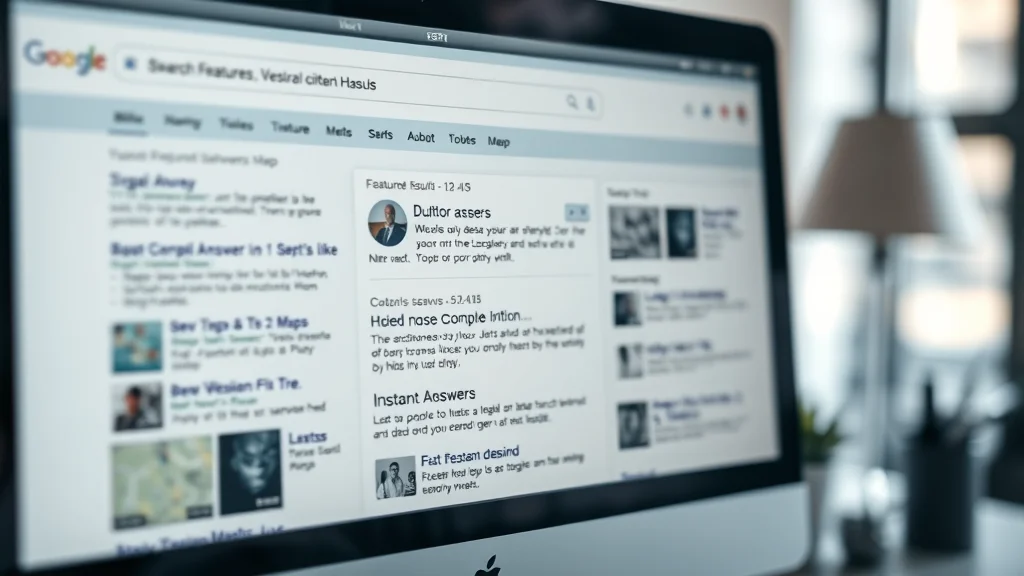
The zero click economy refers to a digital era where search engines answer user queries on the results page itself, eliminating the need for users to visit dealer or brand websites. Features like featured snippets, Google’s People Also Ask sections, map packs, instant answers, and even local store panels keep searchers within the boundaries of Google’s ecosystem. For hot tub dealers and the pool and spa sector, this shifts the goalposts from earning web clicks to dominating the search real estate.
Digital disruption is nothing new—think of how the rise of social media, aggregator sites, and streaming services altered the retail sector and pool industry in recent years. But the zero click wave is especially impactful. Unlike past disruptions, it bypasses the traditional sales funnel, compressing the customer journey into a series of micro-interactions on search engines. This means tub market players must compete not just with other businesses, but with the search platform itself. To thrive, industry professionals now need more presence in featured snippets, Google Business Profiles, specialized reviews, and structured data that can surface in voice or contextual searches.
- Search features driving zero click searches
- Affects on the hot tub market
- Implications for the pool and spa sector
- How the zero click economy compares to previous digital disruption waves
How the Zero Click Economy Is Effecting Hot Tub Dealers in Practice
Declining web referral traffic is one of the most significant impacts of the zero click shift for hot tub dealers. Dealers once depended on organic search to drive traffic directly to their websites, where detailed product pages, blog articles, and online booking forms could convert leads. Now, however, many searches for product comparisons, pricing on hot tubs, or finding local dealers are answered in Google’s instant answers boxes or through aggregator review sites. This shrinks the pipeline for dealers’ most valuable prospects and makes it harder to communicate their unique value—a critical factor in the high-touch sales process of the hot tub market.
There are also structural changes in how buyers research and choose their pool and spa retailers. With the dominance of Google’s ecosystem, real competitor data in the form of reviews, map listings, and Q&A panels increasingly shapes buying decisions. Some dealer groups have responded by investing in richer Google Business Profiles, leveraging structured FAQ content, and making use of visual content like virtual tours. But overall, the shift means anyone ignoring these new front-end formats risks rapidly losing local visibility—a sentiment captured by an industry analyst who warns:
"Dealers who ignore zero click trends risk becoming invisible to local buyers." — Industry Analyst
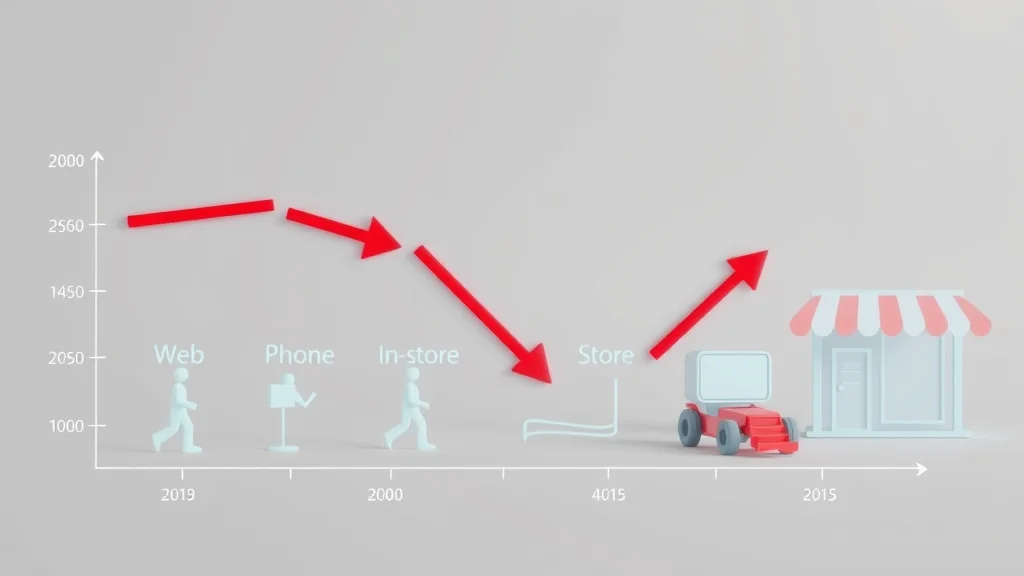
- Declining web referral traffic for hot tub dealers
- Growth of instant answers impacting hot tubs research
- Listing real competitor data and the role of Google’s ecosystem
Competitive Landscape: Hot Tub, Spa Industry, and Pool Industry Responses
To counteract these disruptive forces, major hot tub brands and pool industry leaders are rethinking their approach to digital marketing and search optimization. The emergence of the Pool Pro movement illustrates how marketing innovation can help dealers reclaim their ground. Leading companies are shaping advanced local SEO strategies, investing in richer, more interactive Google Business Profiles, and collaborating with networking alliances like Aqua Alliance to pool resources and share best practices. These collective actions not only help fight click cannibalization but also fortify local visibility for hot tub deals and dealer promotions.
Across North America, we’ve seen growing interest in leveraging community-centric marketing. This includes hosting local events, partnering with pool and spa service techs, and gathering more authentic, frequent customer reviews to display directly in Google search results. By taking a more proactive approach, the spa industry can keep local dealers front-of-mind when customers search for quality hot tub products, swim spas, or new pool installations. The rise in these strategies underscores a new competitive reality: those who dominate the local, in-SERP ecosystem—not just traditional web ranking—win the new digital retail game.
- Moves from major hot tub brands
- Emergence of the Pool Pro movement and marketing innovation
- The rise of local SEO and enhanced Google Business Profiles
Consequences for the Hot Tub Market: From Dealers to Manufacturers
The impact of the zero click economy doesn’t stop at dealer showrooms—manufacturers and supply chains also face ripple effects. As web leads, in-store visits, and conversions drop, manufacturing demand fluctuates, making it harder to predict stocking needs and shift production schedules. The tub market overall is becoming more competitive, with more manufacturers offering direct-to-consumer models and expanding their own presence in Google’s search features.
Dealers must now prioritize data-driven marketing campaigns, personalized outreach, and comprehensive product representation across every digital channel—especially those where consumers see answers before they click. Pool industry manufacturers are also stepping up support for their dealer networks through shared digital assets, co-branded virtual tours, and dynamic product data feeds that fuel next-gen search experiences. Ultimately, survival depends on full integration, agile adaptation, and continuous monitoring of how the zero click landscape evolves, ensuring manufacturers and dealers work as a unified front.
| Metric | Pre-Zero Click Era | Post-Zero Click Era |
|---|---|---|
| Web Leads | High (65-75% of inquiries) | Dropped by 25-35% |
| In-Store Visits | Moderate, driven by website traffic | More reliant on Google Maps & GMB |
| Conversions | Consistent, approx 10-15% of leads | Lower—dependent on in-SERP engagement |
Consumer Behavior Shifts: How Hot Tub Buyers Adapt in a Zero Click World
Today’s hot tub buyers are empowered, informed, and often make decisions without ever landing on a dealer website. Featured snippets, Google’s Local Pack, and People Also Ask sections now surface complete answers or top-rated dealers instantly. This has driven the explosive growth of aggregator and review platforms, where hot tubs, swim spa models, and even pool builders are rated, compared, and ranked—often with buyer trust shifting to these third-party sources.
If tub dealers want to remain relevant, they must go beyond chasing clicks. It’s about connecting with consumers wherever they’re conducting their research: branded panels, map results, “call now” buttons, instant review snapshots, and even voice search answers. By providing consistent, transparent information (such as real-time pricing, detailed service call options, and average credit card approval rates for financing), dealers can build trust—even on platforms or apps not owned by them. This shift will only accelerate as AI and contextual search tools expand deeper into the pool and spa sales funnel.
- Influence of featured snippets and ‘People Also Ask’
- Growth of aggregator and review platforms
- Why tub dealers must think beyond clicks

Adapting for Survival: Hot Tub Dealers’ Strategies in the Zero Click Economy
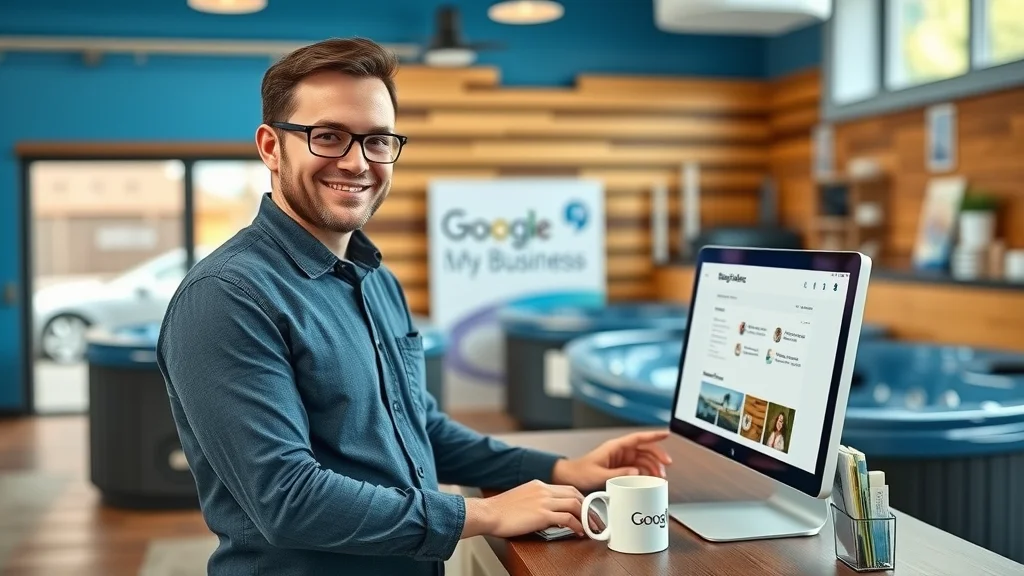
Dealers finding success in the zero click era are those who focus on owning their branded search results. This means meticulously updating business information, answering real customer questions, and leveraging all features of Google My Business—photos, posts, Q&As, and booking tools. Advanced tactics include using structured data markup (like product, review, and FAQ schema) and crafting voice-search optimized answers that are more likely to appear as featured snippets or map results.
It’s equally crucial to maintain a local-first mindset. By claiming a spot at the top of local search packs, investing in reviews, and actively monitoring competitor activities, dealers can double down on visibility—sometimes with immediate impact. As one regional hot tub dealer shares:
"We doubled our showroom bookings by targeting local searches, not just site clicks." — Regional Hot Tub Dealer
- Owning branded search results
- Leveraging Google My Business for hot tub deal and service visibility
- Advanced tactics: structured data, FAQ content, and voice-ready answers
Hot Tub Dealers vs. Zero Click: Grit Game and the Aqua Alliance Perspective
Navigating this zero click landscape takes more than solo effort; it’s about building a “grit game” and leveraging the collective strength of the Aqua Alliance. Across North America, dealer networks are banding together to share digital marketing resources, pool their data, and standardize messaging across platforms. These alliances help smaller dealers gain the reach and sophistication of larger chains, leveling the playing field in a world increasingly dominated by algorithm-driven visibility.
Initiatives like shared advertising funds, cross-market review campaigns, and joint virtual events ensure that members of the hot tub dealer community can adapt to rapid platform changes without losing personal touch. By focusing on pooled expertise and shared tools, the dealer community anchors itself as an innovative, consumer-first force in the evolving pool and spa retail sector.
- Partnering for digital innovation in the hot tub dealer community
- Pooled resources for marketing in North America

Key Statistics: The State of the Hot Tub Dealer Market in the Zero Click Era
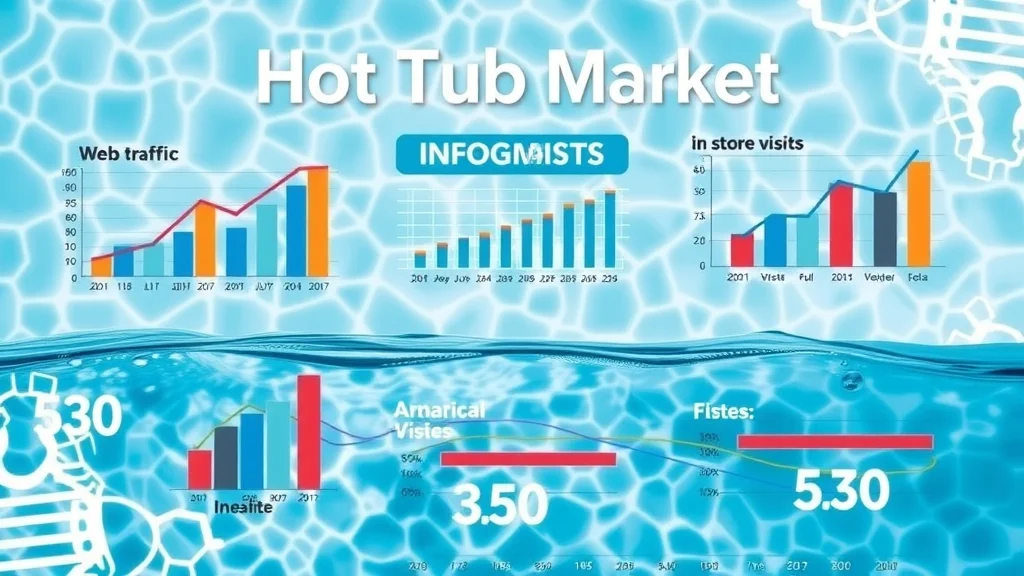
To fully appreciate how the zero click economy is effecting hot tub dealers, it’s vital to consider the latest key performance indicators (KPIs). While the spa industry historically grew at a steady 4-7% annually, recent numbers suggest the shift has compressed deal cycles and concentrated competition at the SERP level. Hot tub deal trends for 2023-2025 show an increased reliance on Google Business Profile-driven conversions, with many hot tub dealers reporting higher quality leads from these sources even as overall web traffic falls.
Understanding these stats gives the industry a data-driven foundation to build upon. For ambitious pool builders, spa manufacturers, and dealers alike, it’s a clear call to action: adapt or risk being left behind in a rapidly evolving market.
| Indicator | Before Zero Click | After Zero Click |
|---|---|---|
| Traffic Sources (Organic) | Website (75%), Local Pack (15%), Referral (10%) | Local Pack (40%), Website (45%), Direct/Referral (15%) |
| Conversion Ratios | 10-12% | 8-10% |
| Average Deal Value | $6,500 | $6,200 |
- Spa industry historical growth rates
- Hot tub deal trends for 2023-2025
People Also Ask: Hot Tub Industry Outlook & Projections
What is the outlook for the hot tub industry?
The outlook for the hot tub industry in the coming years is competitive yet promising. Driven by trends in wellness, home improvement, and remote work, the demand for hot tubs remains robust, though consumer pathways to purchase have irreversibly shifted. With zero click searches leading more buyers to aggregator and review sites, hot tub dealers must stand out through enhanced branding, local SEO, and transparent reviews. Dealers who can adapt quickly are likely to thrive, particularly by focusing on premium service and customer experience alongside digital innovation.
Will pool prices go down in 2026?
While the wider pool industry continues to see innovation and increased supply, industry projections suggest pool prices may stabilize rather than experience significant declines by 2026. Factors such as labor costs, materials, and supply chain complexity still drive pricing. However, increased pool construction capacity and rising competition—fueled in part by digital comparison tools—may put gentle downward pressure on premium and entry-level segments alike.
What is the pool industry outlook for 2025?
The pool industry for 2025 is expected to show moderate growth, primarily as the North American market rebounds from supply chain issues of recent years. There is strong potential in the swimming pool and swim spa segment, with technology integration (smart controls, energy efficiency) creating new value opportunities for both builders and retailers. However, digital marketing agility and adaptation to the zero click economy will heavily influence who wins market share.
What is the outlook for the pool industry?
Overall, the pool industry’s outlook remains positive, albeit more fragmented. Direct-to-consumer sales, evolving online research habits, and emphasis on convenience and value will guide sector growth. In this landscape, the ability of pool builders and hot tub dealers to embrace digital-first, zero click tactics becomes a non-negotiable for sustained success.
FAQs: Surviving and Thriving as a Hot Tub Dealer in the Zero Click Economy
-
What are the top digital priorities for hot tub dealers?
Hot tub dealers should prioritize optimizing Google Business Profiles, earning high-quality reviews, and using structured data to increase their chances of appearing in featured snippets, map packs, and voice searches. Regularly updating listings, answering FAQs, and showcasing visual assets are crucial for in-SERP differentiation. -
Can zero click search trends benefit local spa businesses?
Yes! When managed strategically, zero click searches can actually funnel higher-intent customers directly to in-store visits or service call requests. By nurturing local search dominance and reputation, dealers can turn zero click visibility into booked appointments and sales inquiries. -
What are the best ways to showcase hot tub deals online?
The best ways include using eye-catching photos, timely promotions, clear service offerings, and regular updates on Google Business Profile. Incorporating review highlights and FAQs tuned for local searches helps position a dealer as the first choice for buyers looking for a quality hot tub or new tub deal.
Key Takeaways for Hot Tub Dealers: Responding to the Zero Click Economy
- Zero click searches are here to stay for the hot tub market
- Dealers must own local and branded SERPs
- Collaboration, innovation, and agility are key to thriving
- Consumer-first information flow wins in the digital hot tub market

Final Thoughts on How the Zero Click Economy Is Effecting Hot Tub Dealers
Hot tub dealers stand at a crossroads: adapt to the realities of the zero click world, or risk being left behind by more agile competitors. The path forward demands collaboration, customer focus, and relentless digital innovation.
For More Innovation in the Hot Tub Dealer Arena
Ready to master digital growth and thrive as the zero click economy evolves? To learn more visit; www. guilfoylemarketing. com


Write A Comment